Ageing assets undermine performance
Why ageing assets still deserve your best strategy — and how to get returns without full replacement
#22
Time hasn’t stopped your line. Yet.
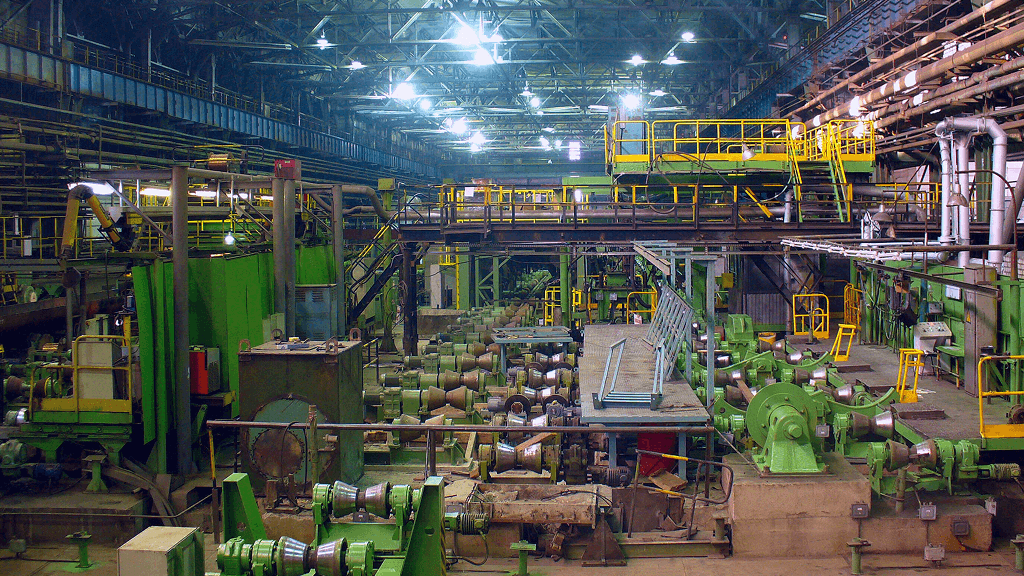
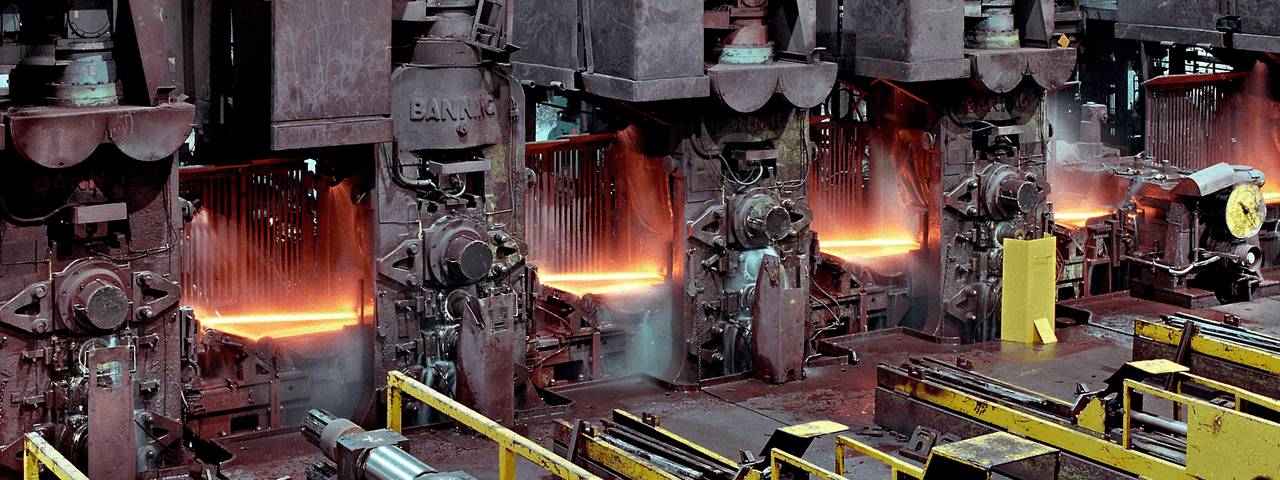
Rolling mills are built to last. But that doesn’t mean they age gracefully. You know the signs: bearings that heat up faster than they used to, gearboxes with increasing play, electrical panels running legacy software that no one wants to touch. Everything is still running — but for how long? A slow decline chips away at your budget every week. Or, worse, it ends in a catastrophic failure. When assets age, it’s not just components that wear out. It’s your margin for error. And maintenance teams are left holding the line.
Put your maintenance strategy to the test. Play the game.
Test your instincts in a decision game where you’re in charge of ageing equipment in a fictional rolling mill. Each round, you decide how to respond — patch, maintain, upgrade, or wait — and see how long you can keep production running without failure. Do you play it safe, or stretch your luck? Make it to the end — or face a shutdown. Play now and see how your strategy compares.
Round: 1/12
Will it fail or hold?
A quiet reduction in performance
Not all breakdowns make a big bang. Here are five signs your maintenance plan is quietly getting outpaced:
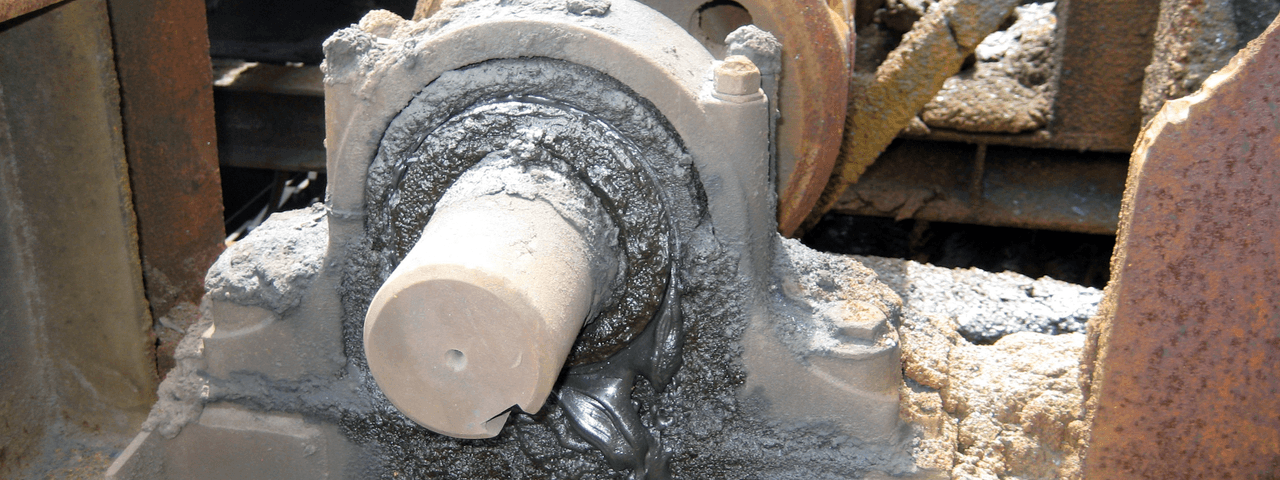
- Mechanical fatigue: Stress cracks, deformation, or excessive wear in shafts, housings, or rolls.
- Outdated components: Spare parts for older systems are becoming harder to source — or are no longer available at all.
- Increasing maintenance demands: Technicians spend more time fixing the same problems; issues that once needed little or no attention now return repeatedly.
- Safety concerns: Ageing guards, wiring, or interlocks may no longer meet today’s safety standards.
- Limited monitoring: Older equipment often lacks sensors or connectivity, allowing early problems to go undetected.
Together, these symptoms push teams into reactive mode. Instead of improving equipment, maintenance teams end up chasing it downhill — and over time, that chase costs more than it saves.
The true cost of ageing equipment
The older an asset becomes, the more attention it demands — yet the harder it often is to justify that attention. Take a bearing that now needs weekly checks, a drive motor that hums oddly but never fails outright, or a sensor that generates false alarms and triggers unnecessary stops. These issues may not cause a shutdown today, but they quietly increase maintenance workload, draining labour hours, spare‑parts budgets, and operational focus. Worse still, ageing systems distort your performance metrics. Mean time between failures shrinks. Preventive maintenance becomes guesswork. Reliability KPIs drift downwards. What was once “running with margin” becomes “just barely running”.
A smarter way to extend asset life
You don’t need to replace an ageing system to bring it closer to modern standards. What you need is an integrated strategy that strengthens weak points without tearing out the backbone.
That means:
- Adding visibility: Portable or permanent condition‑monitoring units can turn data‑dark assets into insight‑rich systems — without disrupting production.
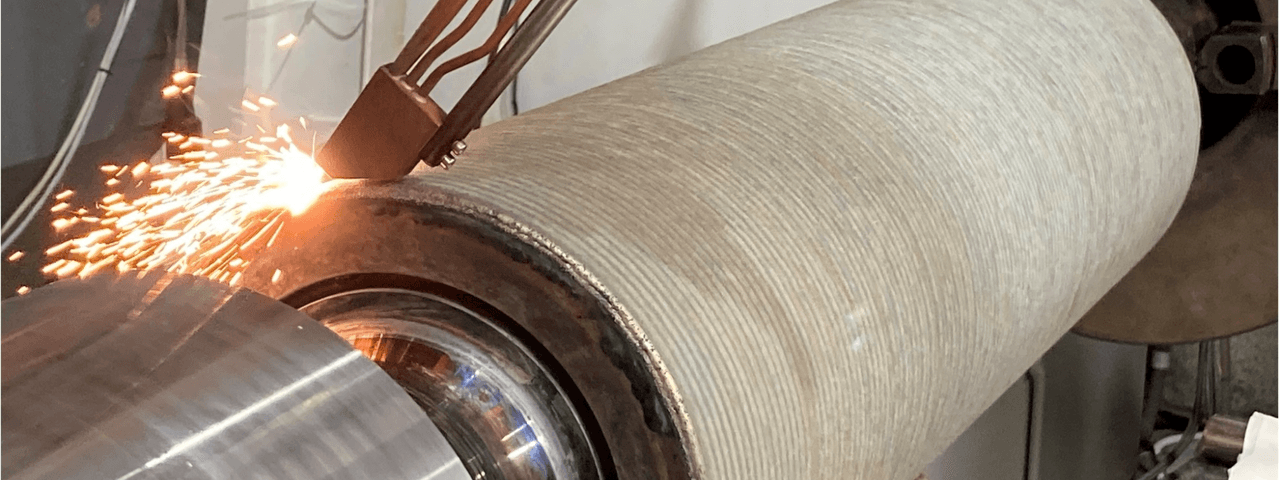
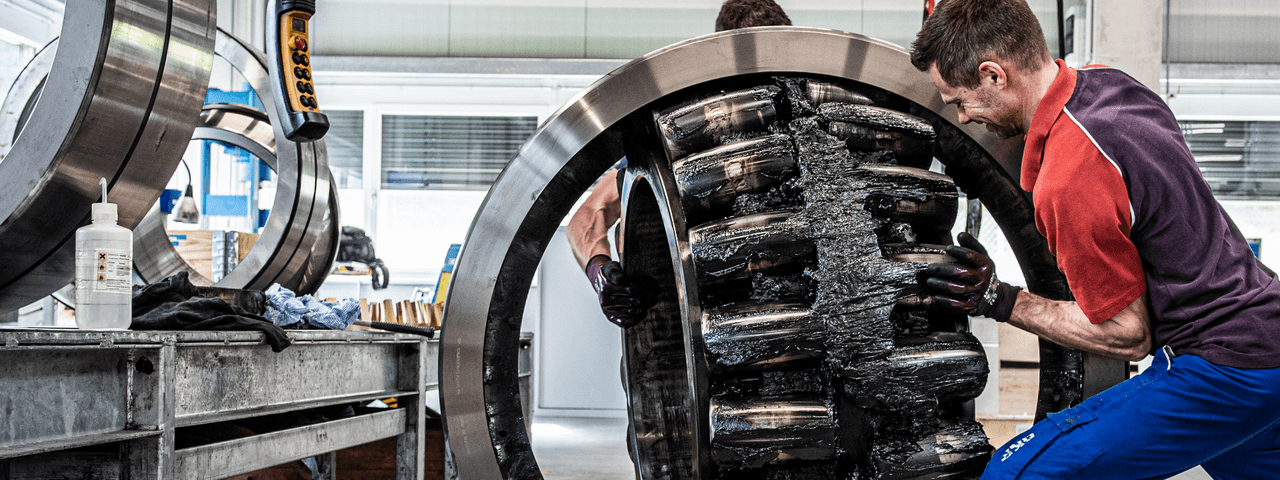
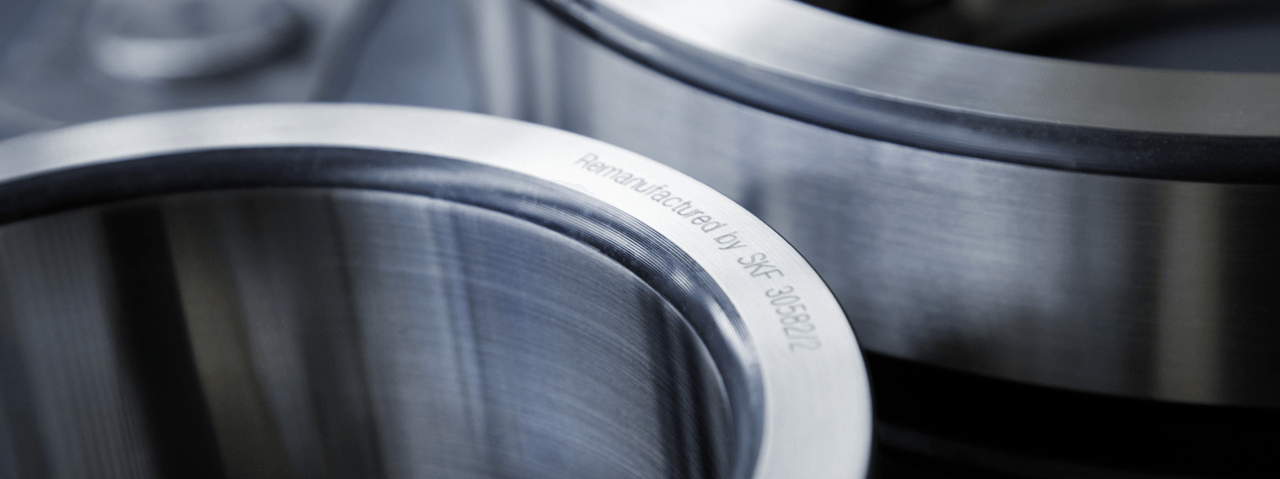
- Prioritising upgrades: Not everything needs replacing. Bearings, seals, and mounts often deliver the highest ROI when modernised first. SKF reconditioning services can extend service life with up to 65% cost savings compared with buying new.
- Fixing fundamentals: Misalignment and lubrication issues are among the most common causes of premature failure — and among the easiest to correct with the right tools and processes.
- Partnering for performance: Service agreements that align supplier relationships around outcomes, not just parts. Less firefighting. More forecasting.
These steps help stretch capital expenditure, reduce operational costs, and buy time to plan full system upgrades — on your terms.
Old doesn’t mean obsolete
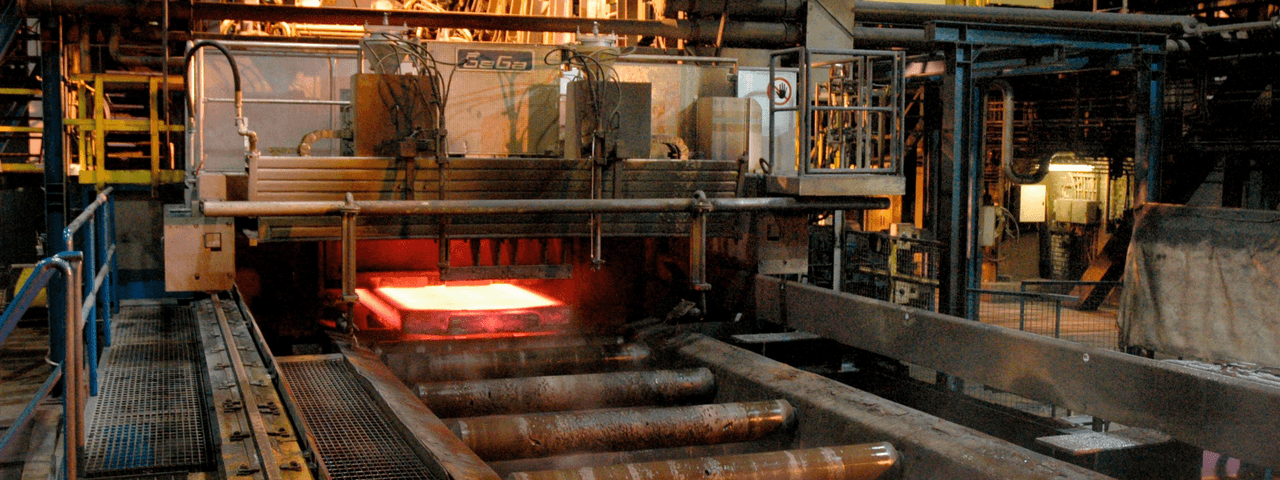
Most rolling mills today operate with a mix of legacy equipment and upgraded components. The challenge is knowing where to intervene — and when the cost of doing nothing quietly becomes the highest cost of all. By viewing ageing infrastructure through a long‑term lens, you can move away from reacting to breakdowns and start engineering sustained returns — starting now.
Try these five actions:
- Identify your oldest critical assets: Walk the site or review maintenance logs. Which machines are beyond their design life but still essential to production?
- Check spare‑parts availability: List components that are difficult to source. This will help prioritise what to monitor, upgrade, or stock.
- Look for repetitive maintenance patterns: Repeated fixes signal deeper issues. Log these cases and consider root‑cause analysis.
- Install basic condition monitoring: Even a simple handheld sensor or portable unit can reveal hidden wear or temperature changes before they escalate.
- Start the remanufacturing conversation: Bearings, housings, and even gearboxes may be suitable for SKF remanufacturing — extending asset life at a fraction of replacement cost.
Do you want to take control of ageing systems and components? Contact SKF to discuss how to get the most out of your rotating equipment.